
Automation solutions for the printing, laminating and packaging industry
We develop and deliver tailored automation solutions for demanding production processes in the printing, laminating and packaging industry. From analysis and development through to commissioning, we support our customers as a technical partner — practical, reliable and solution-oriented.
Automation solutions for demanding industrial applications
We develop and deliver tailored automation solutions for a wide range of industries and production environments. From initial analysis and engineering to implementation and commissioning, We support our customers throughout the entire project lifecycle — practical, reliable and solution-oriented.
Your benefits:
- Fewer manual interventions
- Higher process stability and equipment availability
- Consistent product quality
- Higher production output
- Future-proof scalability

Your challenges in industrial production
- High manual workload
- Downtime and unstable processes
- Shortage of skilled workers
- Rising costs and scrap rates
- Limited scalability of existing equipment
Our services
End-to-end automation from a single source
We support your project from the first idea through to ongoing production:
- Automation of industrial plants and special-purpose machines
- Analysis and optimization of existing processes
- Control and software development
- Commissioning, training and technical support
- Retrofit and modernization of existing equipment
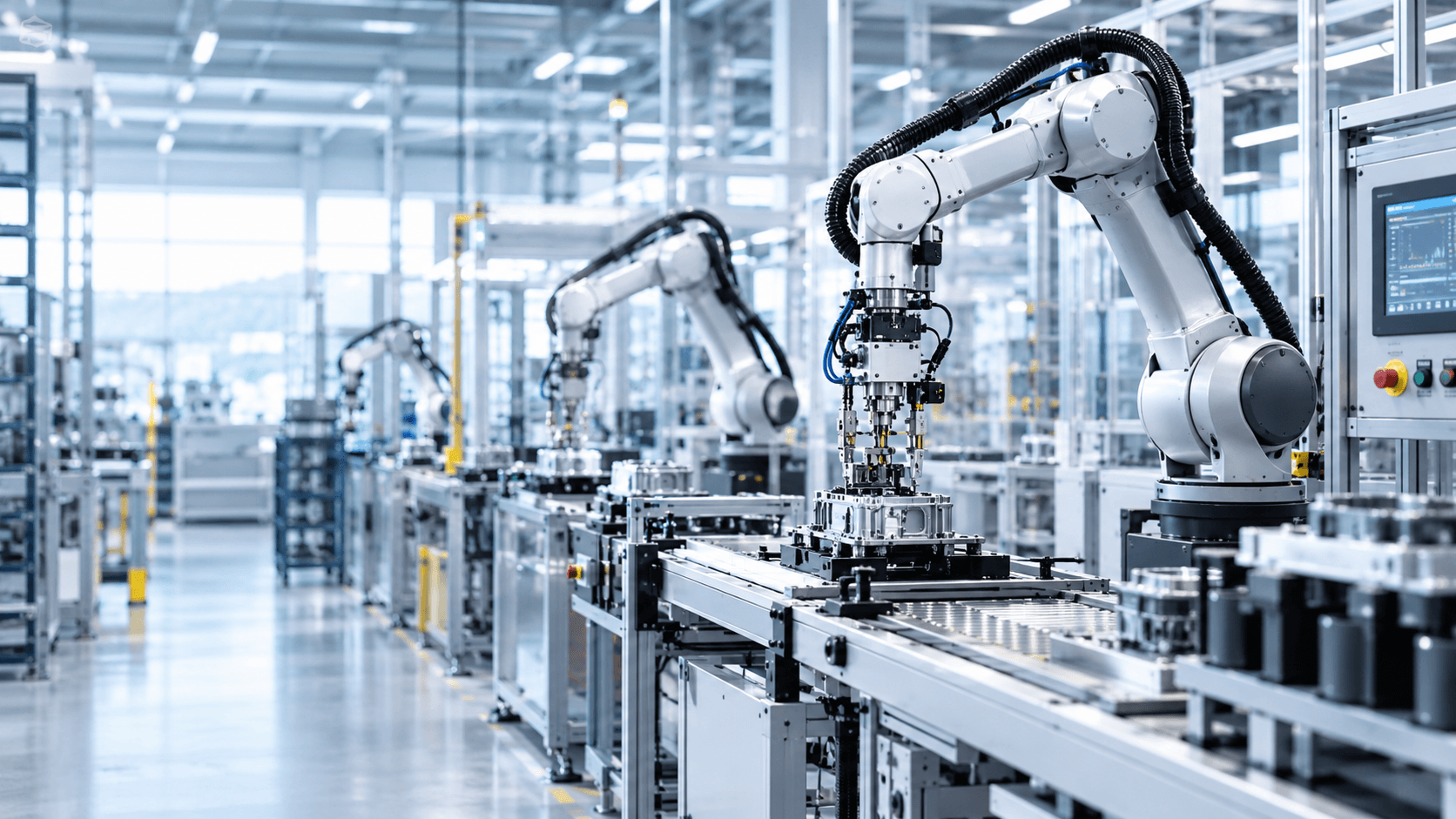
- Integration of robotics and handling systems
- Development of custom automation concepts

Industry focus
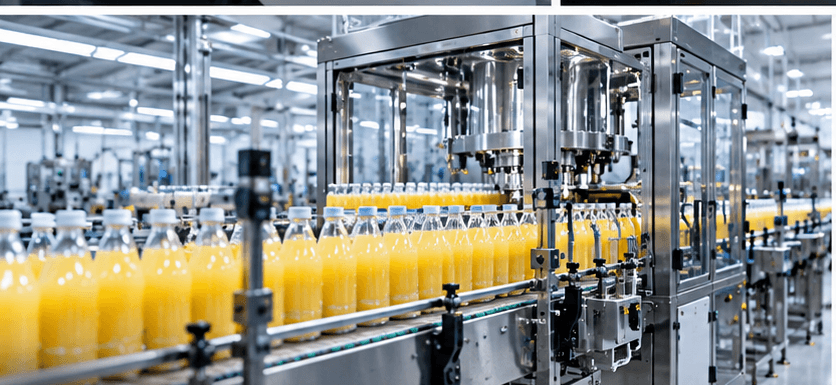
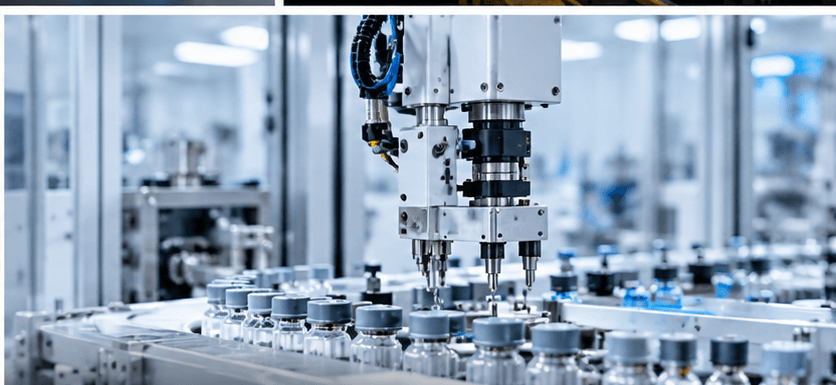
Why PNX Automation GmbH?

Our aim is not only to automate machines, but to improve production processes for the long term.
- High manual workload
- Downtime and unstable processes
- Shortage of skilled workers
- Rising costs and scrap rates
- Limited scalability of existing equipment
Latest guides & announcements
Three concise entries on retrofit planning, automation trade-offs and packaging performance—picked for practitioners, not fluff.
Camera-Based Vision, Servo Drives, and AI-Based Adaptive Control – The Future of High-Precision Registration Control in Sheet Cutting
How camera-based vision, servo drives, and AI-based adaptive control are transforming registration accuracy in modern sheet-cutting machines.
Retrofit vs. Replace: How to Decide What's Right for Your Packaging or Printing Line
Retrofit vs. Replace: How to Decide What's Right for Your Retrofit Packaging Line
Defense Industry Automation: What Decision-Makers in German Defense Manufacturing Need to Know
Learn how German defense manufacturers can implement secure automation systems with on-premise architecture, data sovereignty, NIS2 compliance, industrial retrofits, and cybersecurity-focused robotics integration.